Water, Sanitation and Hygiene (WASH)

Maru Action Development Foundation works with communities, schools, local governments, faith-based institutions, and development partners to improve access to safe water, sanitation, and hygiene services. Our WASH interventions focus on strengthening community resilience, promoting healthy behaviors, supporting climate-smart water solutions, enhancing school WASH infrastructure, and advocating for inclusive access to water services in underserved and disaster-prone communities across Kasese District and beyond.

Through community engagement, field assessments, stakeholder partnerships, and practical infrastructure support, we contribute to healthier, safer, and more resilient communities.

You could consider joining us on this journey and support this mission.
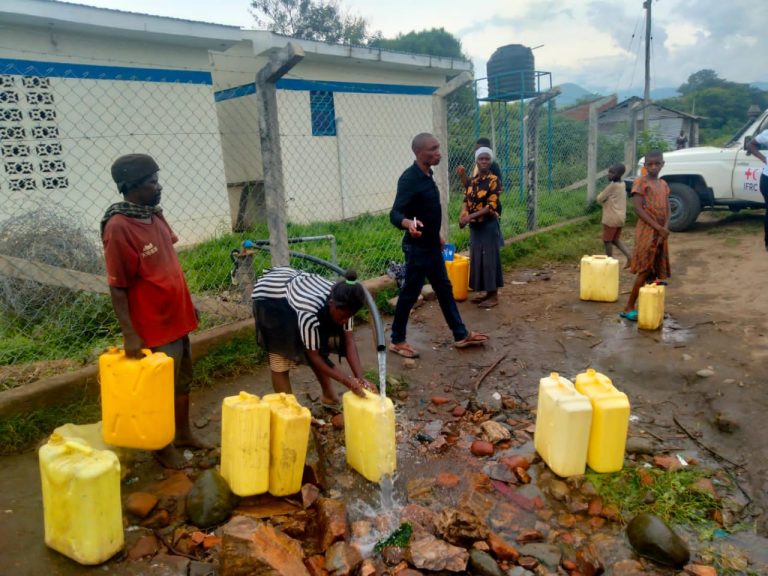
Stakeholder Engagement on Strengthening WASH in Disaster-Prone Communities
Strengthening Community Resilience through WASH Stakeholder Engagement.
 
Maru Action Development Foundation convened with local stakeholders and community representatives in Karusandara Sub-county to discuss strategies for strengthening Water, Sanitation and Hygiene (WASH) services in disaster-prone communities.
 
The engagement was conducted at a community solar-powered water system and focused on identifying opportunities to improve safe water access, enhance community ownership of WASH infrastructure, and strengthen preparedness for climate-related disasters such as floods and prolonged dry spells.
 
The dialogue brought together local actors to share experiences, identify existing challenges, and explore collaborative solutions that contribute to resilient and sustainable water systems for vulnerable communities.

Environment and WASH Integration at Hannie Primary School
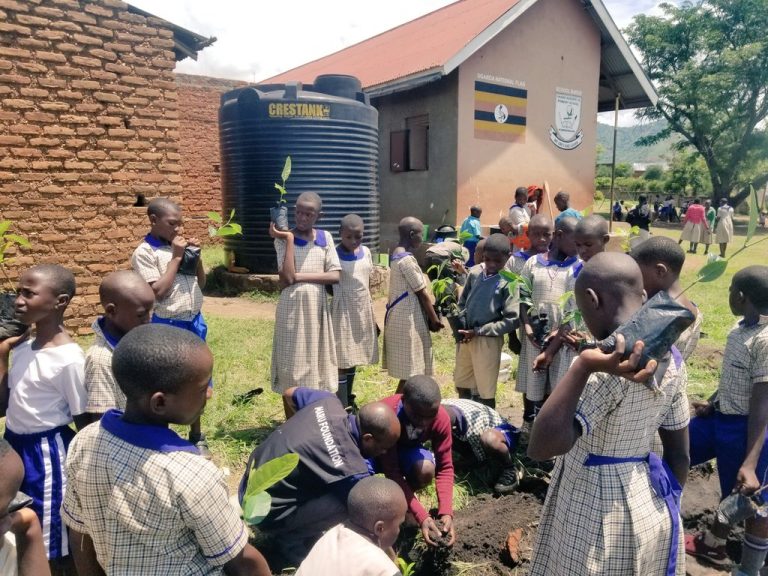
Promoting Healthy Learning Environments through Environment and WASH Education.
 
Maru Action Development Foundation conducts school-based Environment and WASH integration initiatives across Kasese both communities and in schools. The activities engage community members and learners in practical environmental conservation and hygiene education while strengthening their understanding of the relationship between healthy ecosystems and community well-being.
 
As part of the initiative, community members and learners participate in planting of trees and good WASH practices, creating a greener and healthier learning environment while contributing to climate resilience and future nutrition benefits. 
 
These activities also provide an opportunity to promote good hygiene practices, environmental stewardship, and youth leadership in sustainable development.
 
Through school-based engagement, we continue to empower young people as champions of environmental conservation and improved WASH practices within their schools and communities.

Assessing Water Vulnerability in Water-Stressed Communities
Field Assessment of Water Access Challenges in Karusandara.
 
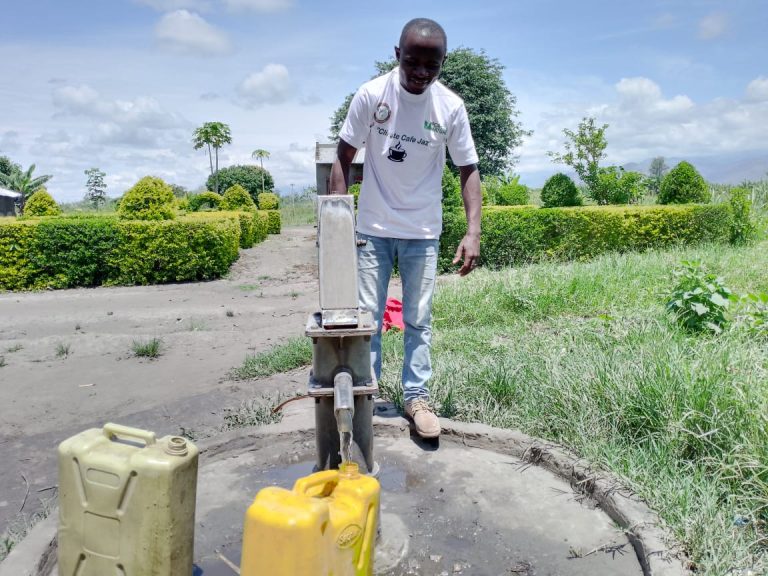
Access to safe and reliable water remains a major challenge for many rural communities. As part of our commitment to evidence-based programming, Maru Action Development Foundation conducted a field assessment to understand the level of vulnerability faced by water-stressed communities in Karusandara Sub-county.
 
The assessment involved visiting existing water sources, identifying functionality gaps, and engaging community members on their experiences accessing water for domestic use. During the visit, the team assessed an aging borehole requiring rehabilitation and maintenance to restore reliable service for nearby households.
 
The findings continue to inform advocacy efforts and future interventions aimed at improving access to safe water and strengthening community resilience.

Construction of School Water Cistern Tanks with Caritas Kasese

Supporting School WASH Infrastructure through Rainwater Harvesting.
 
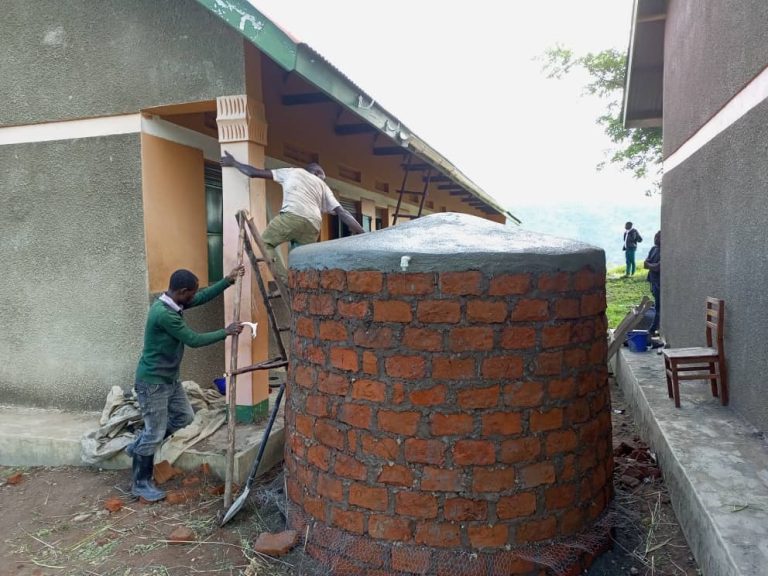
In partnership with Caritas Kasese, Maru Action Development Foundation has supported the construction of water cistern calabash tanks designed to improve access to safe water in schools and promote better sanitation and hygiene practices.
 
The initiative sought to strengthen rainwater harvesting systems, reduce water shortages, and create a more conducive learning environment, particularly for girls whose school attendance can be affected by inadequate WASH facilities.
 
Members of the project team actively participated in the construction process alongside engineers and local stakeholders, demonstrating a hands-on commitment to sustainable WASH solutions that support learner health, dignity, and retention in school.